We have such grandiose plans for improving our health and well-being and making our lives easier and better; but most of the time these plans are hardly implemented and we continue with our old monotonous habits as before.
Why is it so?
The problem with most of us is we tend to think in terms of big things, whether it is about losing enormous amount of weight or following a strict diet plan. We often neglect little things of life; those little changes and hygiene habits that can make a lot of difference to our health if we incorporate them in our daily routine.

The average mouth houses over 6 billion bacteria, which almost equals the number of people on earth, and some of these are responsible for causing bad breath, tooth decay, and inflammation.
Researchers at Columbia University of Minnesota say that these bacteria can also cause thickening of the carotid arteries, a precursor to heart attacks and strokes. A recentUS
Furthermore, another research has confirmed that bad oral hygiene could also lead to complications in pregnancy and problems for babies—in fact, bacteria from a mother's mouth could be transmitted through the blood and amniotic fluid to her unborn child.
Researchers caution that this could increase the risk of a premature delivery, a low birth-weight baby, premature onset of contractions, or infection of the newborn child. A simple improvement in dental hygiene is what is required to help ward off incidence of infections and deadly diseases.
Why is it so?
The problem with most of us is we tend to think in terms of big things, whether it is about losing enormous amount of weight or following a strict diet plan. We often neglect little things of life; those little changes and hygiene habits that can make a lot of difference to our health if we incorporate them in our daily routine.

Brush and Floss everyday
Take the case of brushing and flossing teeth for instance, it’s such a simple routine but we tend to overlook its importance. Of course, most of us brush and floss our teeth religiously to maintain good oral hygiene, but did you know that it could also help cut down the risk of contracting heart diseases?The average mouth houses over 6 billion bacteria, which almost equals the number of people on earth, and some of these are responsible for causing bad breath, tooth decay, and inflammation.
Researchers at Columbia University of Minnesota say that these bacteria can also cause thickening of the carotid arteries, a precursor to heart attacks and strokes. A recent
Furthermore, another research has confirmed that bad oral hygiene could also lead to complications in pregnancy and problems for babies—in fact, bacteria from a mother's mouth could be transmitted through the blood and amniotic fluid to her unborn child.
Researchers caution that this could increase the risk of a premature delivery, a low birth-weight baby, premature onset of contractions, or infection of the newborn child. A simple improvement in dental hygiene is what is required to help ward off incidence of infections and deadly diseases.
Why should you sanitize your toothbrush
But remember that good oral hygiene alone won’t prevent tooth decay, gum disease or other infections; you need to sanitize your lowly toothbrush too. It is highly recommended if someone in the family is ill with an infectious disease.
A toothbrush is literally a Petri dish! For one thing, it mostly resides in the moist environment of the bathroom which is ideal for germs, viruses and harmful bacteria to thrive.
These bugs from your toothbrush are then transferred to your mouth every time you brush. Even the best-rinsed toothbrush harbours these unhealthy bacteria.
A wet brush is also a breeding ground for wandering microorganisms, so allow the brush to air dry. However, don't soak it for hours together in any antibacterial rinse—15-20 minutes is more than enough.
Also don't put a cap or store your brush in a closed container or a drawer, for this may trap bacteria inside and closed environments with moisture are found to be most conducive for their growth.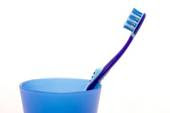
Always store it upright in an open container and do remember to change your brush every three months.
A toothbrush is literally a Petri dish! For one thing, it mostly resides in the moist environment of the bathroom which is ideal for germs, viruses and harmful bacteria to thrive.
These bugs from your toothbrush are then transferred to your mouth every time you brush. Even the best-rinsed toothbrush harbours these unhealthy bacteria.
Tips to Sanitize Your Toothbrush
Sanitizing a brush involves much more than just a quick rinse under the sink when you're finished brushing. You should eliminate these germs by submerging the bristles in a glass of antiseptic mouthwash like Listerine after brushing.A wet brush is also a breeding ground for wandering microorganisms, so allow the brush to air dry. However, don't soak it for hours together in any antibacterial rinse—15-20 minutes is more than enough.
Also don't put a cap or store your brush in a closed container or a drawer, for this may trap bacteria inside and closed environments with moisture are found to be most conducive for their growth.

Always store it upright in an open container and do remember to change your brush every three months.
Another good way to sanitize a toothbrush, as suggested by the Reader’s Digest magazine is to place it in a microwave for 15 seconds. The microwave radiation kills the germs, bacteria and microbes that dwell on your toothbrush.
If you don’t have a microwave, you could sanitize your toothbrush by boiling it for about five minutes. This will kill most bacteria, but it could wear out your toothbrush bristles faster.
You could also use toothbrush sanitizers for your brushes. Some use ultraviolet sterilizing lamps to sanitize the toothbrush, killing harmful bacteria and viruses, while others use steam and dry heat.
You may look for these products at Amazon and buy only those that are most effective and approved by the FDA.
If you don’t have a microwave, you could sanitize your toothbrush by boiling it for about five minutes. This will kill most bacteria, but it could wear out your toothbrush bristles faster.
You could also use toothbrush sanitizers for your brushes. Some use ultraviolet sterilizing lamps to sanitize the toothbrush, killing harmful bacteria and viruses, while others use steam and dry heat.
You may look for these products at Amazon and buy only those that are most effective and approved by the FDA.
When you think of all the strains of bacteria living on your toothbrush do you really want to put it in your mouth? Germs and bacteria are just a way of life. It's up to the individual to do the best they can to protect themselves and their families from the growth and spread of harmful bacteria. Sanitization just equals good health.
ReplyDeleteYou could just immerse your toothbrush in Listerine solution for 20 minutes and achieve good results.
ReplyDeleteWow Aparna, what a neat post...
ReplyDeleteI am following your beautiful fairy blog and I am looking at this one now! You are so creative with the post.
ReplyDeleteAmazing article. It contains some really useful tips on oral hygiene which I have never come across before.
ReplyDeleteWhat a wonderful blog with so much information. I must bookmark you.
ReplyDeletegreat tips which we wish we all followed
ReplyDeleteAlways find some good things here!
ReplyDeleteWonderful information, please keep it up.
ReplyDeleteI follow most of these and they definitely work.
ReplyDeleteThanks for your contribution to Take Charge of Your Health Care Carnival. What great tips. I'm going to try that microwave tip right now.
ReplyDeleteAwesome article. You are really talented, and I'm proud of you.
ReplyDeleteNice, good common sense. Thanks.
ReplyDeleteNice Tips,[: Thanksssssss.<3.
ReplyDeleteThanks for sharing all the information.
ReplyDeleteVery true that poor oral hygiene can have a deterimentl affect on your heart. Good tip about sterilizing your toothbrush.
ReplyDeleteYou can't reach the tight spaces between your teeth or under your gumline with a toothbrush. That's why daily flossing is important. When you floss: Don't skimp. Break off about 18 inches of dental floss. Wind most of the floss around the middle finger on one hand, and the rest around the middle finger on the other hand — leaving about 1 inch to floss your first tooth. Take it one tooth at a time. Use your thumbs and forefingers to gently pull the floss from the gumline to the top of the tooth to scrape off plaque. Rub the floss against all sides of the tooth. Unwind to fresh floss as you progress to the next tooth.Keep it up. If you have trouble getting floss through your teeth, try the waxed variety. If it's hard to manipulate the floss, use a floss holder or an interdental cleaner — such as a dental pick or stick designed to clean between the teeth.
ReplyDeleteI soak my toothbrush in baking soda to keep it clean and fresh. I use baking soda in my bath. Keeps my skin nice and soft. (Even my elbows.)
ReplyDeleteTo remove the residue that styling products, such as hairspray, leave behind, add a tablespoon of baking soda to your favourite shampoo. Wash, rinse thoroughly and condition as usual.
how do I sanitize my Toothbrush?
ReplyDeletethe most effective way would be to go for the commercially available toothbrush sanitizers as they are very effective and kill up to 99.999% of all microorganisms on your toothbrush.
ReplyDeleteYou could just immerse your toothbrush in Listerine solution for 20 minutes and achieve good results
ReplyDeleteOur toothbrush is home to a lot of bacteria. Which can be transplanted back into the teeth when we brush. So it pays to sanitize the tooth brush.
ReplyDeleteA lot of dentists also states the importance of sanitizing your toothbrush where it is home to millions of bacteria. I use boiling water to dip it.
ReplyDeleteWow, Fantastic Blog,I Feel this is one of the most essential information for me. And i am very happy reading your blog. But wanna say few general things on your blog , The site style is great, the blog is really very nice and Informative. Good job...
ReplyDeleteMost of the time, people neglect their dental health, until it's too late. That's what happened in my case, I have some of my teeth extracted in my 20s that's why I'm already wearing a denture.
ReplyDeleteI love these tips Aparna!This post was a great reminder! And I LOVE these tips
ReplyDeleteI really have to finally clean my brushes! Thanks for the post! Really useful post! Greetings,
ReplyDeleteThanks for the post! Now I will take better care of my brushes!
ReplyDeleteReplace toothbrushes at least every 3–4 months. The bristles become frayed and worn with use and cleaning effectiveness will decrease.11
ReplyDelete